Walkstoff Knowledge
What is boiled wool fabric and what are its properties?
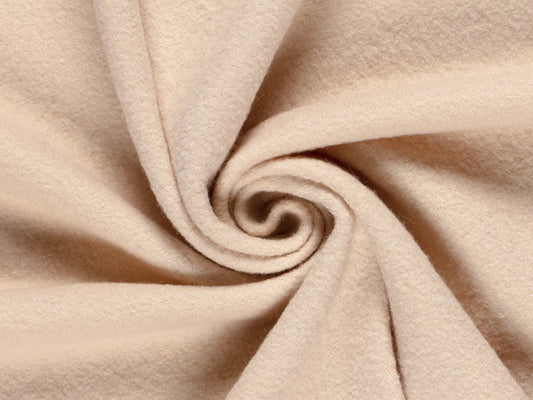
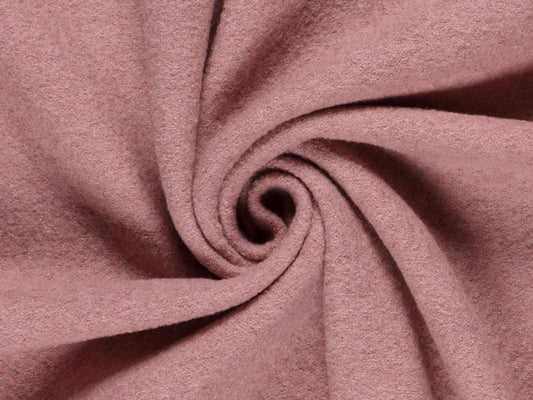
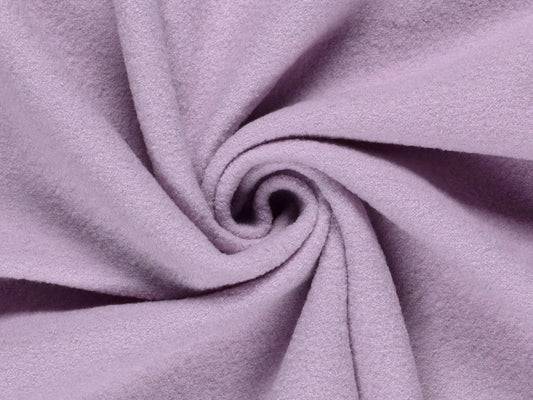
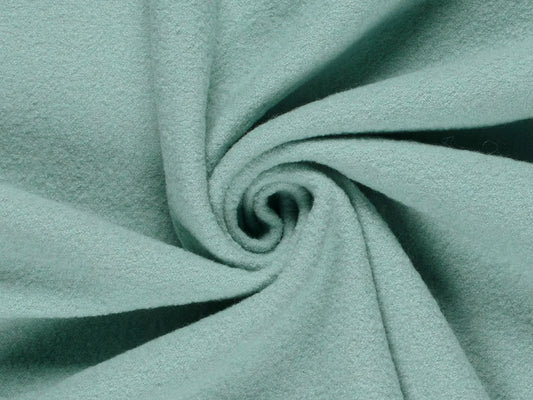
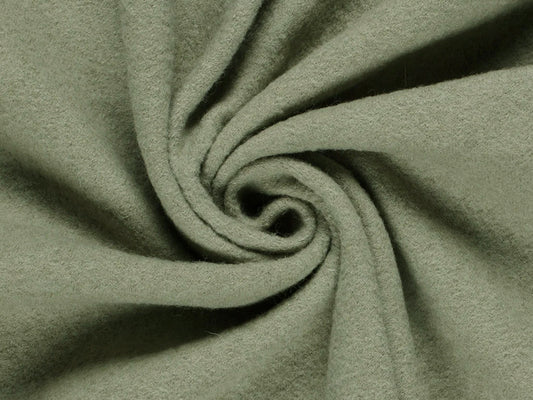
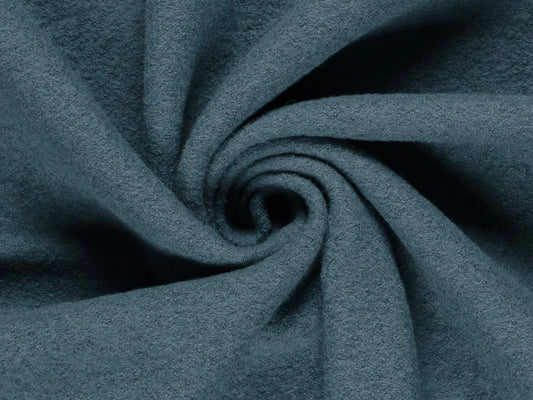
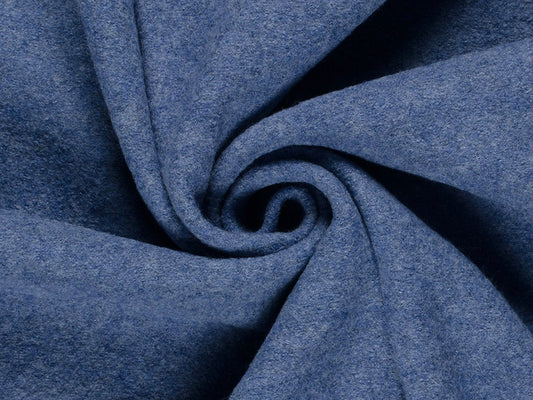
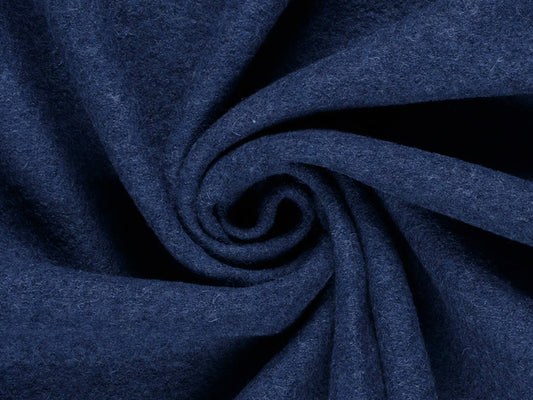
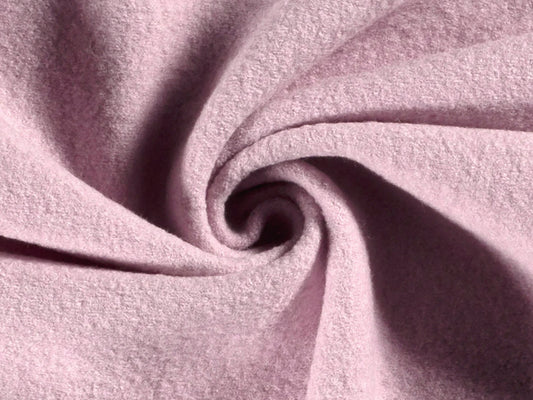
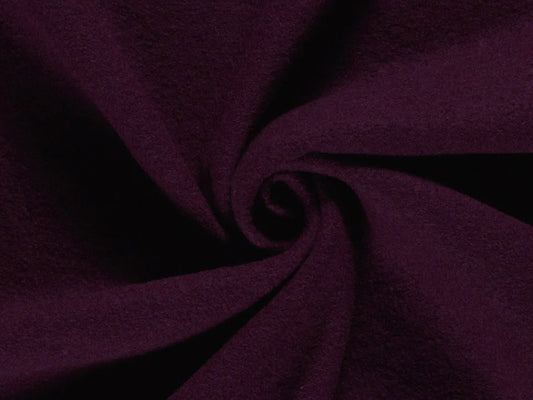
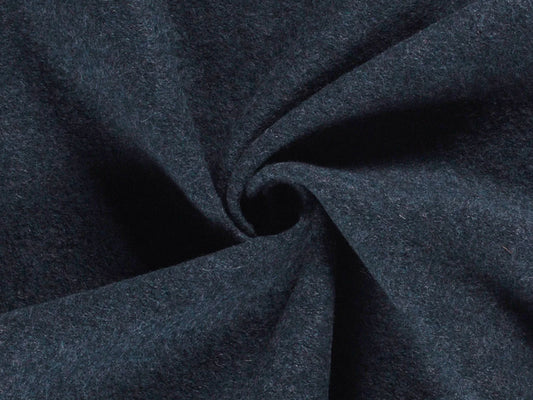
Wool felt, also known as boiled wool or felted wool, is a type of wool fabric. In its original state, boiled wool is a woven textile, often produced using plain or twill weaves, traditionally made exclusively from sheep's wool. The surface is then treated to achieve the characteristic felted appearance. This process, called fulling, involves warm, acidic or slightly alkaline baths. The wool fabric is felted and compacted through alternating and continuous pushing, compressing, pressing, and kneading. The original wool weave is then barely, if at all, recognizable, resulting in the classic boiled wool look. Unlike felt, boiled wool is made exclusively from woven fabrics. In the past, only pure wool fabrics were used for boiled wool production. In modern times, blended fabrics have also been used, provided they contain at least 20% wool.
Felted wool fabric has many excellent properties that make it a top choice, especially during the autumn and winter months. Due to its dense weave, felted wool fabrics are generally windproof and therefore retain heat very well. Thanks to the natural fibers, the fabric remains breathable, effectively regulating moisture and temperature. Furthermore, due to the wool greases present during the manufacturing process, felted wool is highly water- and even dirt-repellent. The felting and subsequent densification of the woven fabric gives the material high strength and stiffness. Because of the raw material and the manufacturing process, these textiles are very durable, robust, resilient, and virtually wrinkle-free. Felted wool is available in many different qualities, starting at 200 g/m².
Tip: If boiled wool fabric by the meter feels too rough or scratchy for you, you can easily line the inside of your boiled wool garment with a smoother or softer fabric to further increase comfort.
For which DIY sewing projects is boiled wool fabric by the meter particularly suitable?
Felted wool fabric by the meter can be used in a wide variety of sewing projects. Examples of projects using felted wool include:
- Pants
- Jackets
- Pillow
- Dresses
- Coats
- Ponchos
- Sweater
- Skirts
- Leg warmers
- Bags
- Cloths
Processing and care tips for boiled wool
What should be considered when cutting boiled wool fabric by the meter?
Boiled wool is a very easy material to work with because it doesn't curl up and isn't prone to slipping, making it ideal for sewing beginners. When cutting boiled wool, you can use a sharp rotary cutter, pinking shears, or your regular fabric scissors. Depending on your method, you can cut along your pinned pattern or along lines transferred with tailor's chalk. Any residue can easily be smudged or tapped away later. However, be sure to pay attention to the grain of the fabric, which can be more or less noticeable depending on the degree of felting, to ensure the garment drapes nicely and fits well. Adding seam allowances is unnecessary with boiled wool, as the material doesn't fray and therefore doesn't require a hem. Boiled wool can thus be easily worked with raw edges. Clamps, clips, and pins are all equally suitable for pinning.
What needs to be considered when sewing with boiled wool fabrics?
Felted wool fabrics are easy to work with by hand or machine. A medium-sized universal needle is sufficient; special sewing needles are not necessary. However, since it is a very firm fabric, the needle points can wear out more quickly, so you should have enough needles on hand, depending on the size of your project. Regarding the stitch pattern and length, a medium straight stitch or zigzag stitch is recommended. Because the material is rather coarse and heavier, the stitch length should not be too short. As always, never pull the fabric while sewing, as this can cause ripples at the edges of the garment, which look very unsightly. This also applies to felted wool.
How do you properly care for boiled wool and what should you pay attention to?
Felted wool should ideally not be washed at all, neither by hand nor in a washing machine. The structure of the felted wool fabric can be altered and even damaged by the use of temperature, water, and soap. In the worst case, the felted wool may lose its wonderful properties. Instead, dirt and dust should simply be brushed off when dry. Gentle airing of the garment in fresh air helps to eliminate odors. If the soiling makes the use of water unavoidable, it should only be cold to lukewarm, as felted wool can shrink otherwise. Spinning wool fabrics should be avoided.
Boiled wool is completely unsuitable for tumble drying. The best way to dry wet boiled wool is to spread it out in its proper shape on an absorbent surface and air dry it.
One of the positive qualities of boiled wool is that it is generally a very wrinkle-resistant material. Ironing is therefore usually unnecessary. However, should it become necessary to iron the garment, this is certainly possible. The best way is to turn the garment inside out and iron it on a low heat setting, without using steam.
Discover Sweat now!